
What Is Integrated Technology in a Luxury Home?
Integrated home technology is the seamless connection of lighting, climate, shading, security, audio, and video into one unified system that is designed to support how a homeowner lives.
In modern luxury homes, design is no longer just about architecture or finishes. The most successful homes are those where technology works quietly in the background, enhancing comfort, convenience, and performance without adding complexity.
Why Should Smart Home Technology Be Planned Early?
Smart home technology should be planned at the very beginning of a project because it influences the home's infrastructure, design coordination, and long-term performance. When technology is treated as an afterthought and added late in the process, systems often become fragmented. Costs rise due to change orders and rework, and overall performance can be compromised. This frequently results in a collection of disconnected products that fail to deliver the seamless experience homeowners expect.
In contrast, integrating technology planning from the start allows wiring, networking, control systems, and other essential infrastructure to be incorporated into the home's design from day one. This early collaboration between architects, interior designers, builders, and technology integrators ensures that technology complements the architecture rather than competing with it. The result is a cohesive, reliable system where lighting, audio, video, security, shading, and climate control work together seamlessly, creating a more intuitive and enjoyable living experience for the homeowner.
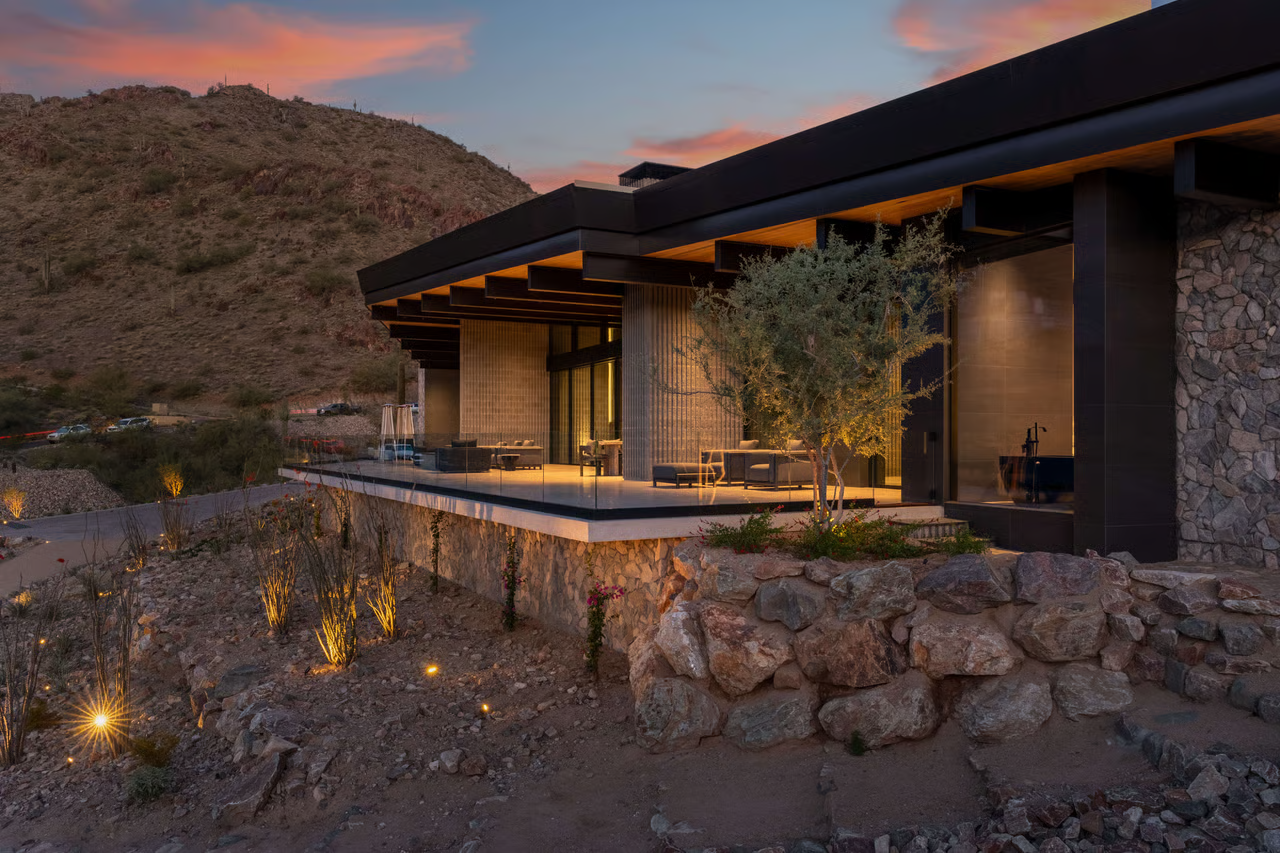
For high-end homes in places like Paradise Valley and Scottsdale, early planning is not optional, it is essential.
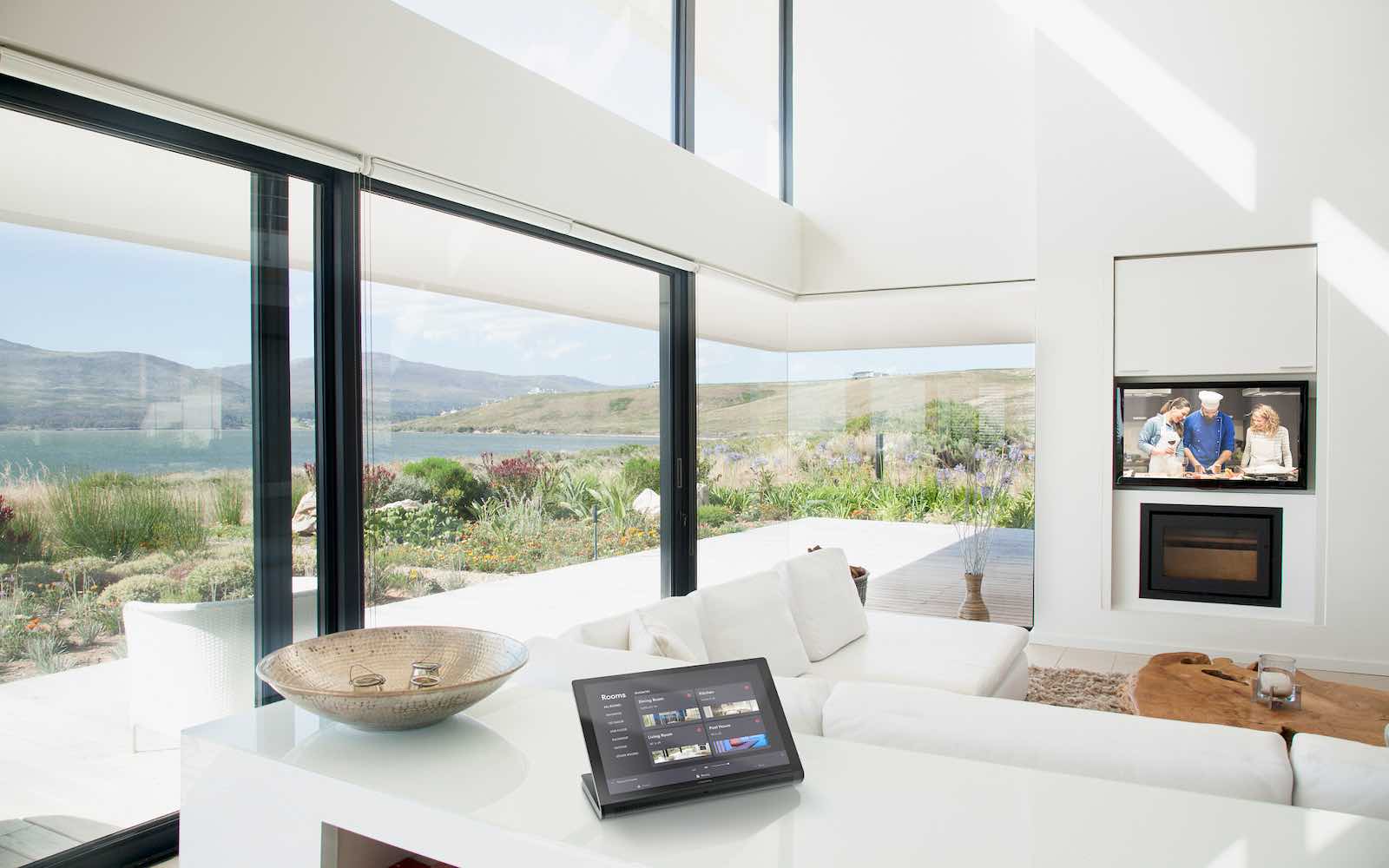
What Does a Fully Integrated Luxury Home Include?
A well-designed luxury smart home system typically integrates:
- Lighting control (scenes, automation, circadian rhythm support, which aligns lighting with natural biological cycles to support wellness)
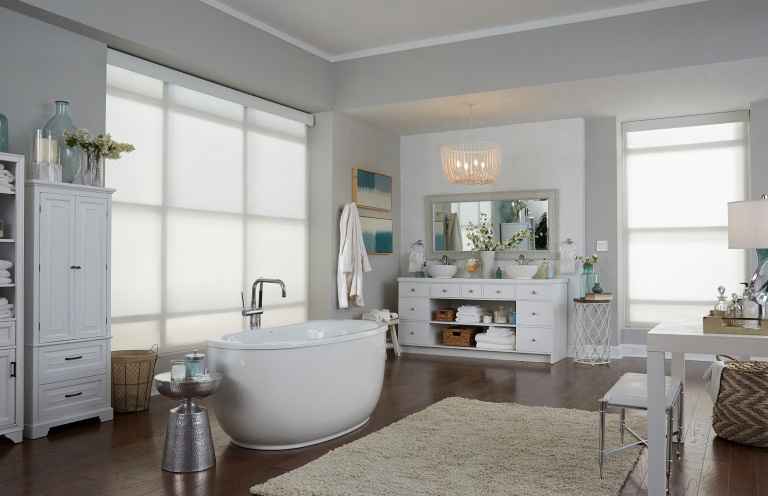
- Motorized shading (privacy, energy efficiency, comfort)
- Climate control (zoned HVAC management)
- Security systems (cameras, access control, remote monitoring)
- Audio and video (distributed entertainment, media spaces)
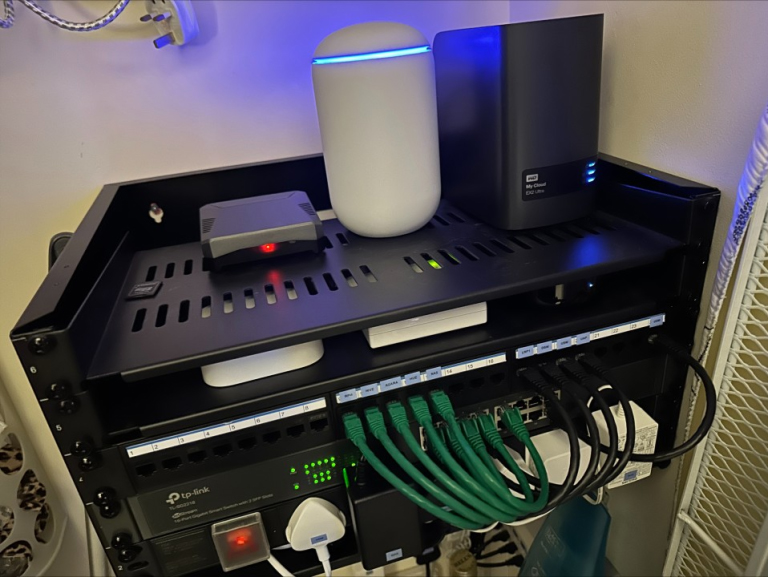
- Networking infrastructure (the backbone of all connected systems)
These systems are not separate. They operate together through a single interface.
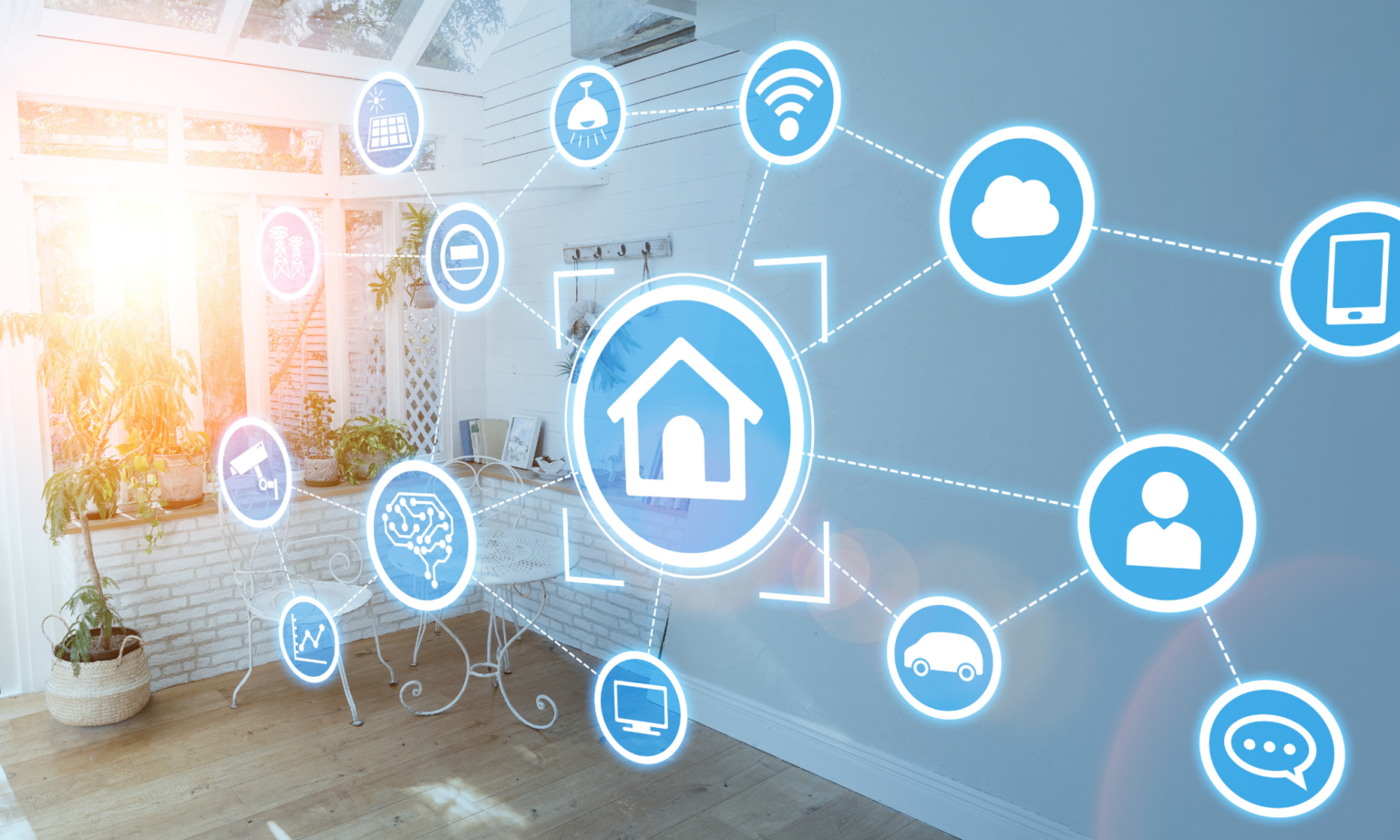
Why Crestron Home Is Common in Luxury Homes
Platforms like Crestron Home are widely used in luxury residences because they unify complex systems into one simple, elegant interface.
One of the greatest advantages of a professionally designed smart home is simplicity. Rather than juggling multiple apps and disconnected devices, homeowners can manage their entire home through a single, intuitive platform. Lighting, climate, entertainment, security, and shading systems can all be controlled from one interface, creating a more streamlined and consistent experience.
A unified system also makes it easy to automate everyday routines, such as adjusting lighting throughout the day, setting ideal temperatures, or securing the home at night. Homeowners can monitor and control their systems remotely from anywhere, giving them greater convenience, peace of mind, and flexibility.
By reducing the friction often associated with managing technology, a well-integrated smart home allows technology to work in the background while enhancing daily life. This level of simplicity is critical because luxury homeowners are not looking for more technology, they simply want better experiences.
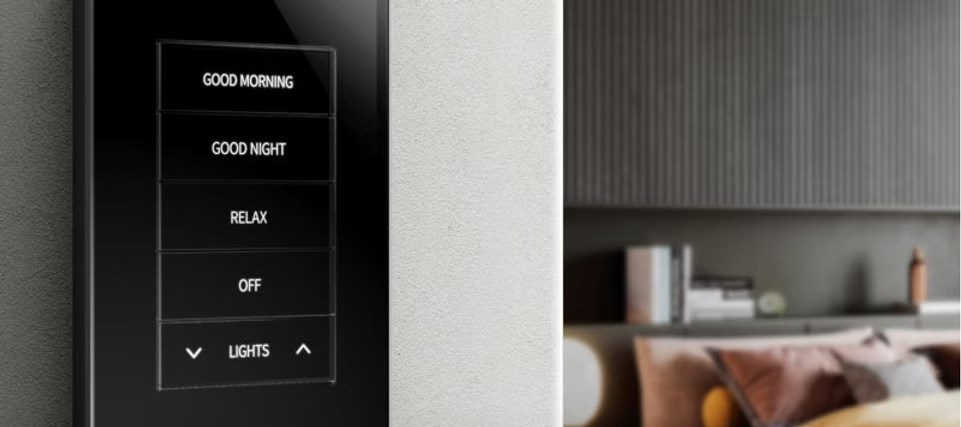
What Does a Smart Home Feel Like in Daily Life?
A properly designed smart home should feel effortless, not technical.
Examples of real-world use:
- One button turns off the entire home at night
- Lighting adjusts automatically throughout the day
- Shades respond to sunlight and privacy needs
- Climate adapts room-by-room
- Security systems are accessible from anywhere in the world
When done correctly, the homeowner does not think about the technology, it simply works.
Why Reliability Is a Core Luxury Feature
In a luxury home, reliability is not a feature but rather an expectation. The technology should work consistently and predictably every day, without requiring constant attention from the homeowner. Achieving that level of performance requires more than selecting premium products. It begins with a robust network infrastructure, clean system architecture, proven technologies, and thoughtful integration that ensures every component works together as a unified system.
At Creative Sound & Integration, technology systems are engineered for long-term performance, not just an impressive first demonstration. Every design decision is made with stability, scalability, and ease of use in mind, helping ensure the system continues to perform as intended for years to come. Working with a qualified home technology integrator, particularly an HTA Certified professional, provides confidence that the technology has been properly designed, installed, and supported to deliver the reliability that luxury homeowners expect.
What Happens After Installation?
A luxury smart home experience does not end at installation.
Ongoing success depends on:
- Personalized homeowner training
- Clear system documentation
- Responsive service and support
- Long term system maintenance
For many homeowners, ongoing service is just as important as the initial design.
Why Early Collaboration Matters (Architects, Builders, Designers)
Successful smart home projects begin with collaboration. When technology is planned early in the design and construction process, the original design intent can be preserved while ensuring the home is fully prepared to support the systems homeowners expect. Architects, interior designers, builders, and technology integrators are able to coordinate more effectively, reducing conflicts, minimizing costly change orders, and helping the project stay on schedule.
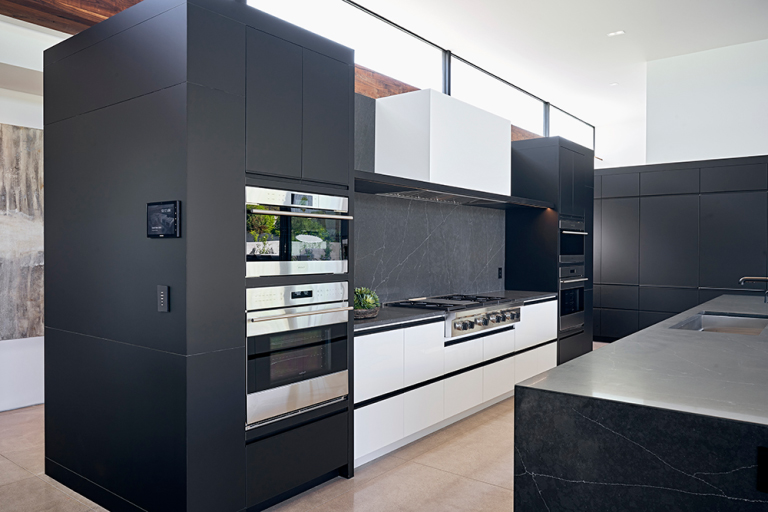
This proactive approach allows technology to complement the architecture rather than compete with it. Wiring pathways, equipment locations, lighting controls, networking infrastructure, and user interfaces can all be thoughtfully integrated into the overall design. The result is a more cohesive project where technology enhances the living experience without disrupting the aesthetics or construction process. This level of coordination becomes particularly important in large-scale luxury residences, where complex systems and multiple trades must work together seamlessly to achieve the desired outcome.
How Luxury Home Technology Is Evolving
Today’s luxury homeowners expect more than just “smart features.” Key trends include:
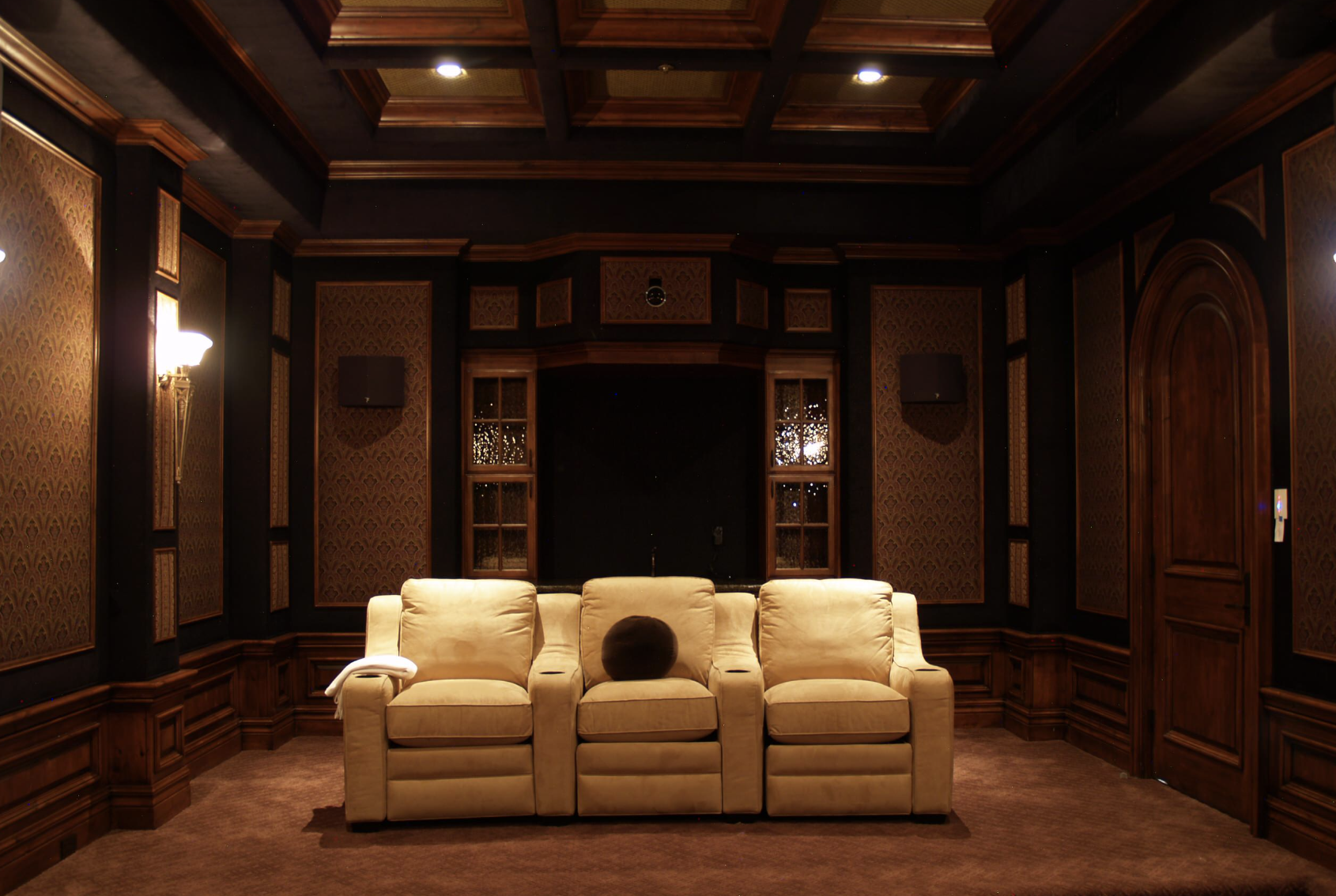
- Flexible media rooms replacing dedicated theaters
- Lighting and shading supporting wellness and ambiance
- Seamless indoor-outdoor system integration
- Remote access and property management as standard features
The expectation is clear: powerful systems that are simple to live with.
Technology Planning Is the Foundation of Luxury Living
The difference between a home filled with smart devices and a home that truly works lies in when and how technology is planned. The most successful luxury residences are not defined by the amount of technology they contain, but by how seamlessly that technology supports the homeowner's lifestyle. Achieving that level of integration requires technology to be considered alongside architecture, interior design, and construction from the very beginning of the project.
When architects, designers, builders, and technology professionals collaborate early, the result is a home that feels intentional in its design, effortless to use, reliable in its performance, and elevated in every interaction. Technology becomes an invisible layer that enhances comfort, convenience, entertainment, security, and wellness without drawing attention to itself. This thoughtful integration is rapidly becoming the benchmark for modern luxury homes, and the expectation for homeowners who want their technology to work as beautifully as the spaces it serves.
Planning a luxury home project in Scottsdale, Paradise Valley, or the surrounding area? Contact us today to get started.